Proper installation is critical to long-term performance
Manufactured home installation is one of the most important factors in ensuring durability, safety, and long-term satisfaction.
Improper installation can lead to structural issues and may even void the manufacturer’s warranty. Understanding the key elements of installation can help protect your investment and ensure your home performs as intended.
Site Preparation
Start with a properly prepared foundation
Grading and drainage play a critical role.
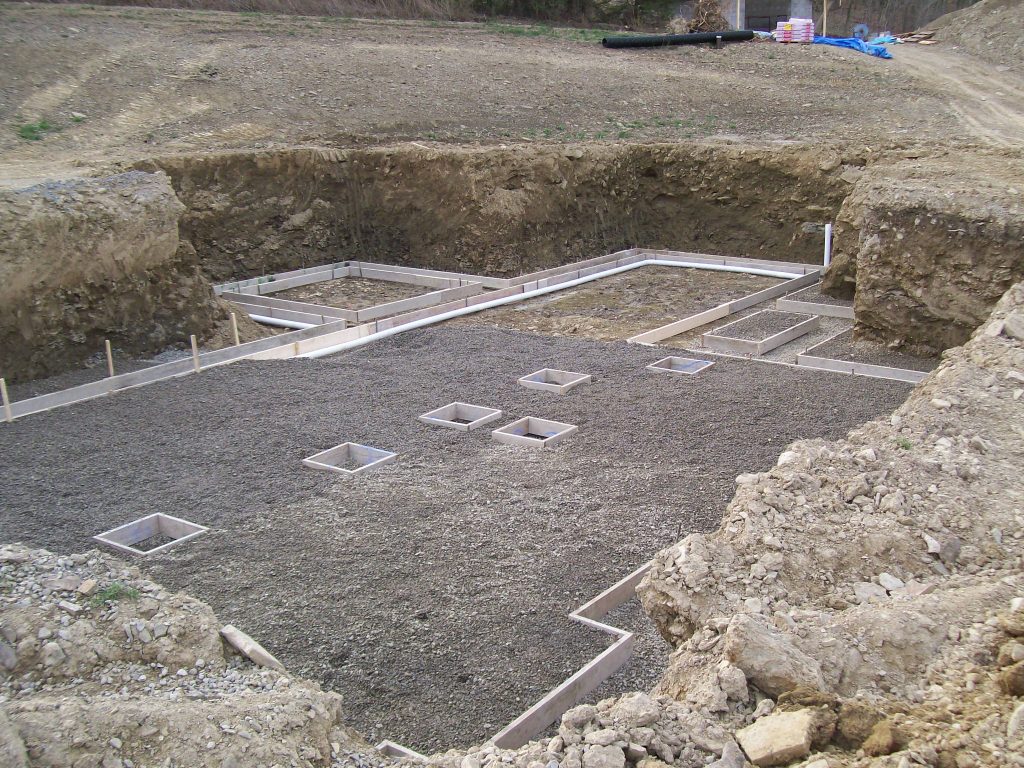
Proper grading of the site is essential to direct water away from your home. The ground beneath your home should be level and free of depressions where water can collect. Poor site preparation can lead to long-term issues that affect the stability and condition of your home.
Support
Ensure proper structural stability
Soil conditions and support systems must be adequate.
Your installer must verify that the soil has the proper bearing capacity to support your home. Supports must also be protected from frost heave. Improper support can lead to bowed floors, cracked walls or ceilings, and doors and windows that do not function properly.
Assembly
Proper assembly ensures full performance
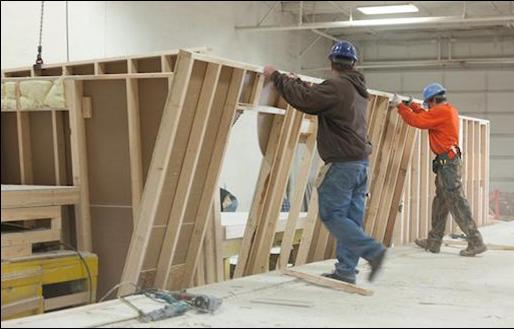
Multi-section homes require precise on-site work.
Many manufactured homes, especially multi-section designs, require on-site assembly. Until properly assembled, the home cannot perform as designed. Weather resistance and the proper function of plumbing, electrical, and HVAC systems all depend on correct assembly.
Stabilization
Protect your home from external forces
Anchoring systems help prevent movement and damage.
To withstand wind and other environmental forces, your home must be properly anchored using approved devices. Proper stabilization helps prevent sliding, shifting, or overturning during severe weather conditions.
No Shortcuts
Proper installation is worth the investment
Cutting corners can lead to long-term issues.
There are no shortcuts when it comes to installing your home. While manufacturers may approve multiple installation methods, all must meet strict requirements. Choosing proper installation ensures long-term performance and protects your investment.
Pennsylvania Requirements
Work with a licensed installer
State law requires certified professionals.
As of October 1, 2020, all manufactured homes in Pennsylvania must be installed by a HUD licensed installer. Working with a licensed professional ensures your home is installed correctly and in compliance with state regulations.